
Two ways to get Strike:
SIGN UP FOR LABOR-CLIMATE MONTHLY NEWSLETTER

LABOR & CLIMATE NEWS
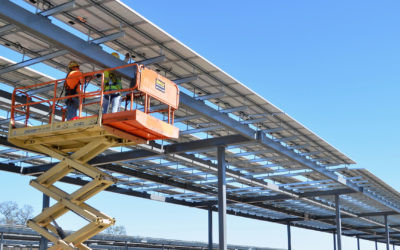
A California Strategy for a Just Transition to Renewable Energy
Workers in California have allied with environmental, environmental justice, and community groups to move the state closer to a just transition to renewable energy.
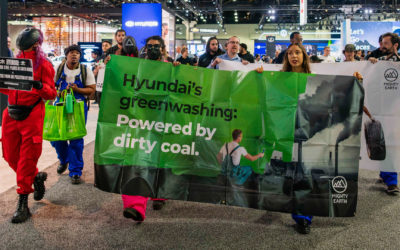
Lead the Charge!
The Lead the Charge coalition, a diverse network of local, national, and global advocacy partners working for an equitable, sustainable, and fossil-free auto supply chain, is releasing its 2024 Leaderboard results this month. Their scorecard evaluates over 20 automakers’ efforts to account for,
AFL-CIO Calls for Ceasefire in Gaza
On February 8, 2024 the AFL-CIO issued this “Statement on the Situation in Israel and Gaza”…
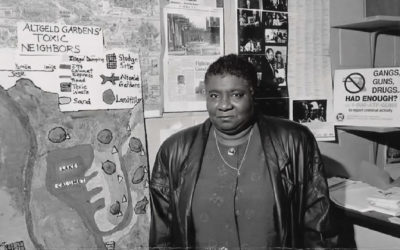
Champions: Hazel M. Johnson
This issue of Making a Living on a Living Planet initiates the new series, “Champions”, featuring current and historic figures who can inspire the struggle for a worker – and climate – safe world.
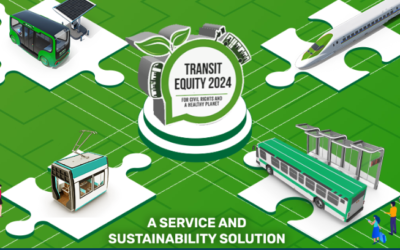
Transit Equity Day Coming February 5
Transit Equity Day is around the corner, and the Transit Equity Network has already been hard at work preparing for a week’s (and possibly month’s) worth of events!
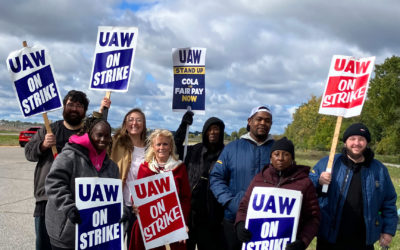
2023: The Year of Labor and Climate
According to the leading environmental publication Grist, “In 2023, organized labor became core to the climate movement.”
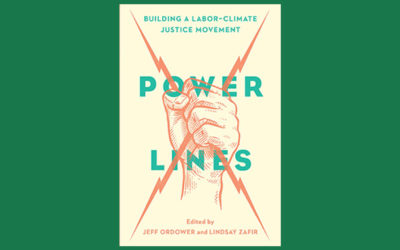
Power Lines: Building a Labor-Climate Justice Movement
The just-released anthology Power Lines: Building a Labor-Climate Justice Movement features an article by Maria Brescia-Weiler, LNS project manager for young worker organizing and Liz Ratzloff, LNS co-executive director, titled “Young Workers Can Bridge the Labor and Climate Movements.”
Clean Up Kingspan!
Kingspan Campaign Update: Environmental Groups Stand with Workers Calling out Greenwashing
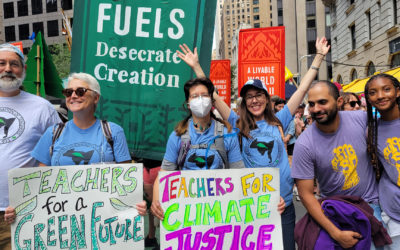
Educators Organize for a Just Transition
A just-published article by Todd E. Vachon, “Climate Justice for All: Pursuing a Just Transition in the Education Sector”—published in the American Federation of Teachers journal The American Educator—lays out in detail “what educators can do—and many already are doing—through their unions to promote climate justice and equity in their schools and communities.”
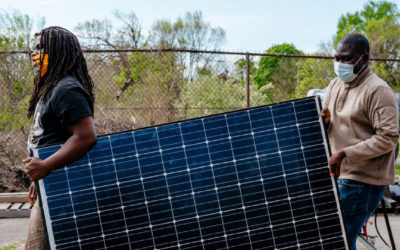
National Climate Assessment Highlights Environmental Justice
The National Climate Assessment, issued every four years based on the work of scientists and other experts, is generally considered the US’ most authoritative report on how global warming is affecting the country. The recently issued fifth assessment puts environmental justice front and center, emphasizing that low-income families and communities of color have historically borne the brunt of the nation’s environmental harms while benefiting least from environmental regulation.
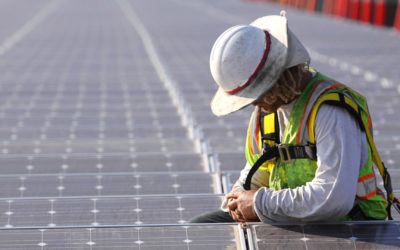
What Do Clean Energy Programs Mean for Workers?
It’s not every day that workers get to tell representatives of Congress how federal programs affect their work lives. But that’s just what happened when union members working on clean energy projects in Illinois, Maine, and New York spoke about the impact of federal climate investments in their communities to the Clean Energy Workers Roundtable hosted by the House Sustainable Energy and Environment Coalition (SEEC).
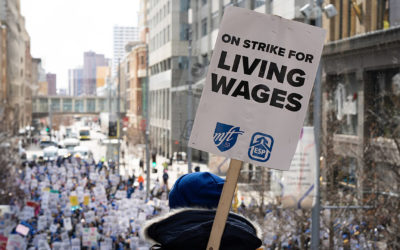
Bargaining for the Common Good in Minnesota
“Bargaining for the Common Good” has become a crucial strategy for organized labor and a key means of forging broad coalitions for mutual support. For the past decade, unions and allies in Minnesota have developed powerful union and community alignments that have won victories at the bargaining table, in the community, and in the legislature.